
Blog
News, guides, and updates from Curtis Foster.

The AI production readiness review: 12 questions I ask before launch
A practical AI production readiness review for teams moving from a convincing demo to a reliable system real users can trust.

How to design human handoffs for AI agents that cannot finish the job
Reliable AI agents do not hide failure. They detect their limits, preserve context, and give a human the right next action.

Streaming, queues, and background jobs: choosing the right runtime for AI workflows
A practical guide to choosing streaming, queues, or background jobs for AI workflows without turning every user request into a production incident.

The hidden AI product decision: who gets to override the output?
Every AI output creates an authority question. The product teams that answer it clearly earn trust, reduce risk, and ship better human oversight.
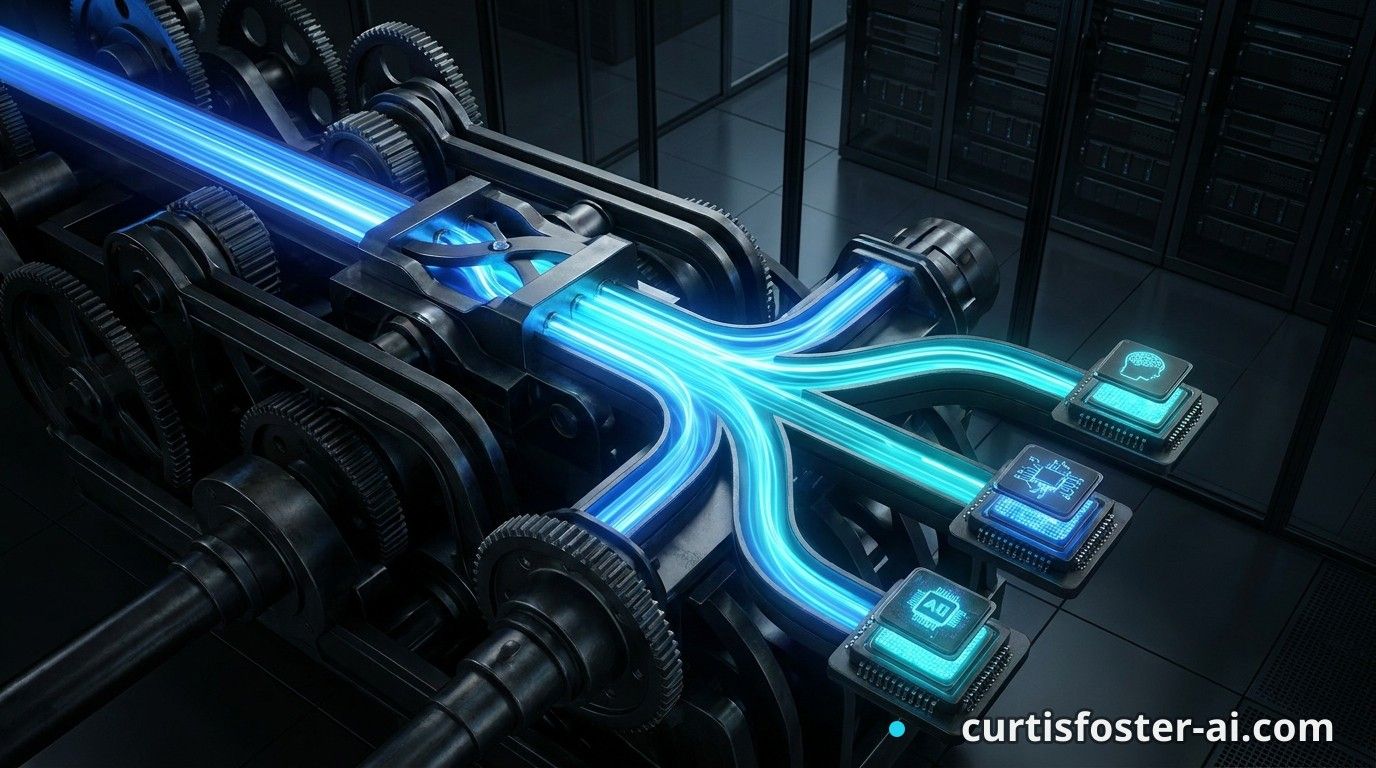
AI model routing in production: How to match the right model to the right task
AI model routing is not about picking one winning model. It is about building a production system that sends each task to the model most likely to handle it well.

Prompt injection is a product risk: how I think about trust boundaries in AI applications
Prompt injection is not just a model flaw. It is a product security problem involving data, tools, permissions, and the decisions your AI system can make.

The AI agent permission model: what an agent should be allowed to read, write, and trigger
An AI agent needs more than a prompt. It needs a permission model that limits what it can read, change, and trigger when nobody is watching.

AI latency is a product experience problem
Slow models do not have to create a slow product. Design the waiting experience, split long workflows, and measure latency where users actually feel it.

AI agent shadow mode: how to test agents before they touch customer workflows
Shadow mode lets an AI agent observe real work, produce recommendations, and prove itself before it can send, change, or approve anything.

The AI fallback strategy: what should happen when the model, tool, or context fails?
Reliable AI products do not assume the model will always work. They define what happens next when the model, tool, or context breaks.

Why AI context windows are a product constraint, not a model specification
A larger context window does not fix a messy AI product. Learn how to manage attention, cost, latency, and relevance before your long-context feature breaks.

AI testing lessons from a workflow that passed every test and still failed in production
A workflow can pass clean tests and still fail under real users, messy data, retries, and time pressure. Here is how to find the gap before customers do.
Subscribe to Curtis Foster
Get new posts in your inbox. No spam, unsubscribe anytime.